How to prepare indoor plants for the cold season
How to prepare indoor plants for the cold season: Practical guide
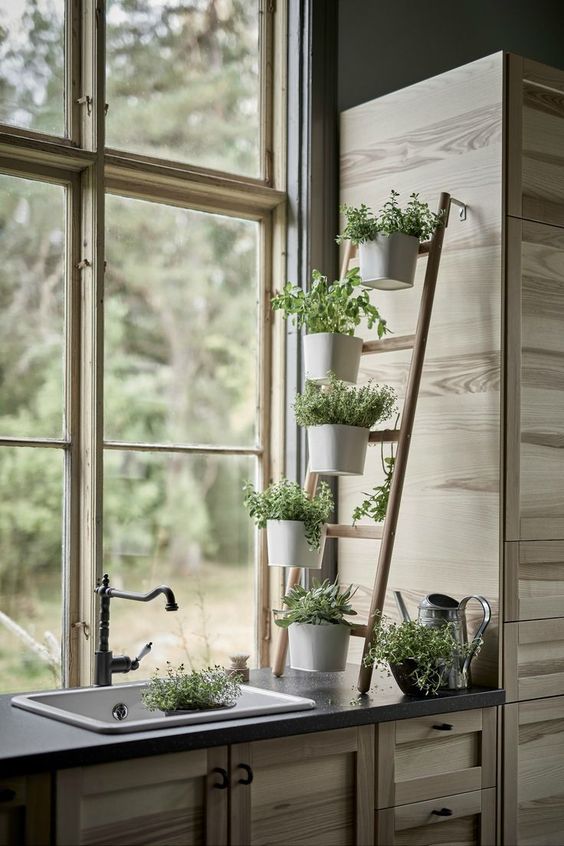
As the days get shorter and temperatures drop, indoor plants need special attention to stay healthy. The cold season can be a challenge for these plants, but with a few simple and well-planned steps, we can prepare them properly. Here is a list of 10 useful tips to ensure the health of your plants during the winter:
1. Reduce watering
During the cold season, most indoor plants go into a dormant period, which means they require less water. Water your plants only when the top layer of soil is dry, avoiding overwatering which could lead to root rot. It is important to note the needs of each species, as some plants, such as cacti or succulents, have different requirements than tropical plants.
2. Ensuring optimal positioning relative to the light
During the winter, the intensity of natural light decreases. Moving plants closer to windows is essential to provide them with the light they need. Plants that love intense light should be positioned near south-facing windows. If this is not possible, consider using special plant lamps that can compensate for the lack of natural light.
3. Protect plants from drafts and cold
Cold drafts or sudden changes in temperature can negatively affect plants. Avoid placing pots near frequently opened doors, windows that let in cold air, or in the immediate vicinity of radiators. Tropical plants are particularly sensitive to temperature variations.
4. Reduce fertilization
During the winter, plants don't need as many nutrients as they do during the active growing season. Reduce the frequency of fertilization, and in most cases, stopping fertilization completely until spring is a good idea. Plants need rest to conserve energy and prepare for the growing season in the spring.
5. Increase air humidity
One of the biggest enemies of indoor plants in winter is dry air caused by heating systems. Use a humidifier to maintain an optimal humidity level in the room (between 40–60%). Alternatively, place the pots on trays with gravel and water, but make sure the bottom of the pot is not sitting directly in the water.
6. Check plant health frequently
During the winter, plants are more susceptible to pests such as mealybugs, mites, and aphids. Check the leaves, stems, and soil surface for signs of infestation. If problems occur, use natural treatments or appropriate pesticides to combat them.
7. Clean the leaves
Dust and other debris can build up on the surface of the leaves, reducing the plant's ability to absorb light. Wipe the leaves regularly with a soft, damp cloth to keep them clean and healthy. This will also help prevent the development of diseases and pests.
8. Rotate the pots
Plants tend to orient themselves towards the light source, which can cause uneven growth. Gently rotate the pots a few degrees each week to encourage even plant growth. This simple habit also helps maintain the aesthetics of the pot.
9. Insulate the pots
If the floor of your home is cold, your plant roots can suffer. Place your pots on heat-insulating stands or trays to protect them from the cold. This little trick provides an extra layer of protection and prevents heat stress for your plants.
10. Pay attention to the plant's signals
Every plant has its own needs and can give signals when something is wrong. Leaves that start to turn yellow, suddenly drop leaves, or the plant's lifeless appearance can indicate a probl